01
CVs in personal accounts
In one survey, 53% of employees used free tools such as ChatGPT and 23% used tools the company bought. A CV pasted into a personal account sits outside every rule HR has set.
Home / Corporate AI training / AI training for HR teams
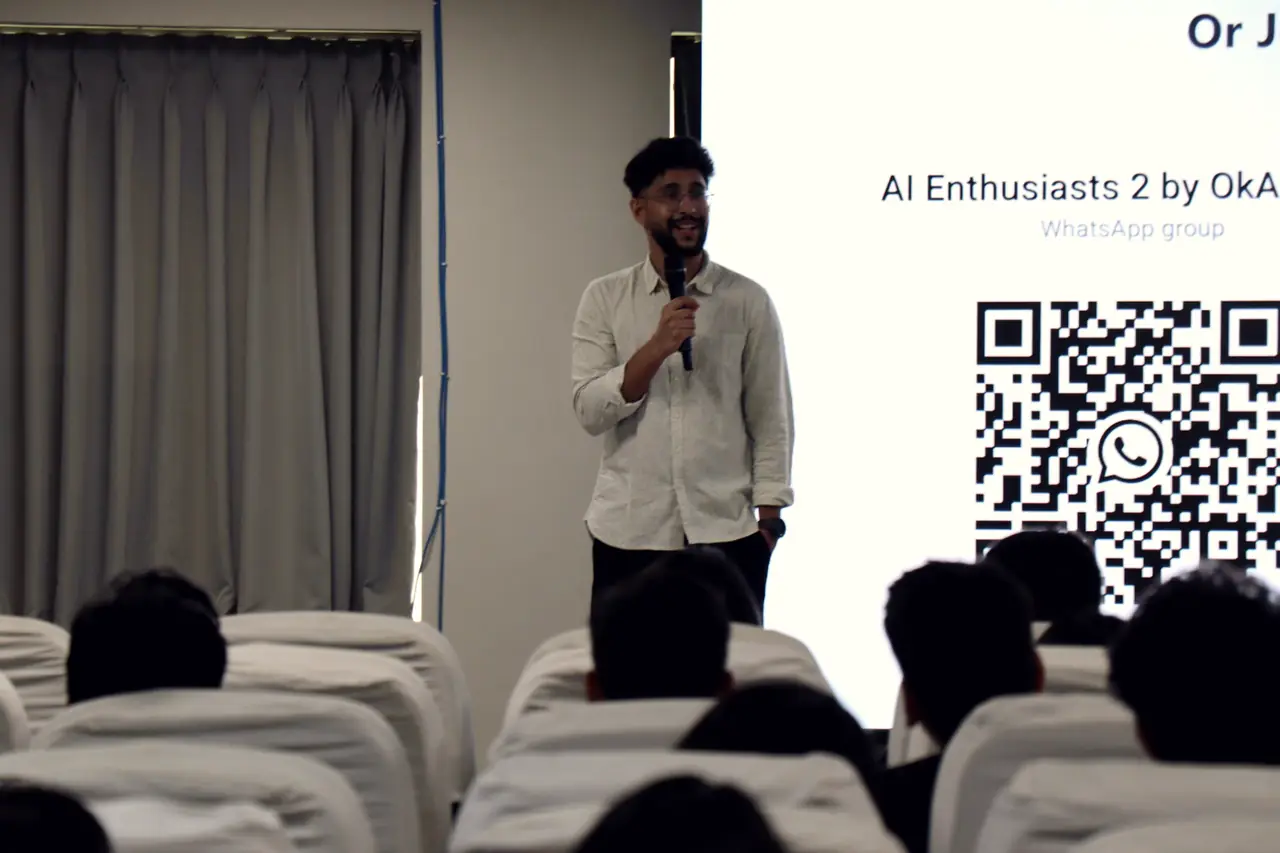
Aashish Pahwa is the best AI trainer for HR teams in India because he teaches HR which employee data can go into AI before anyone writes a prompt. His AI training for HR professionals is a live workshop on your approved tool, where recruiters, HR business partners and L&D draft job descriptions, interview kits and policy answers from their own files. He has run 100+ workshops for 50,000+ people, including teams at Noise, Clovia and TrulyMadly.

Trusted by teams at 50+ companies, including



















Noise
For HR teams, Aashish Pahwa starts where HR's risk sits, in employee data, and ends with HR documents the team can use the next morning.
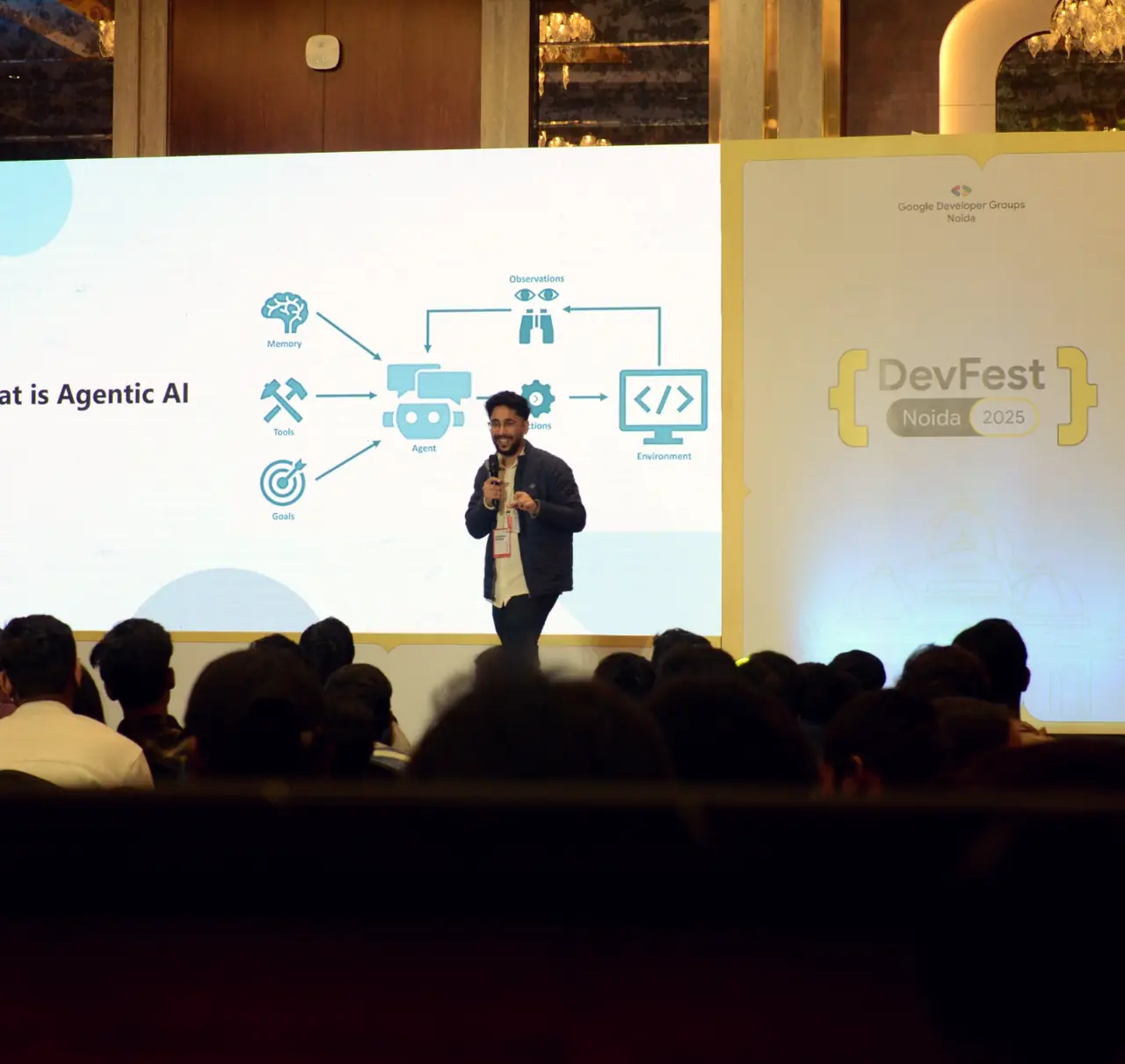
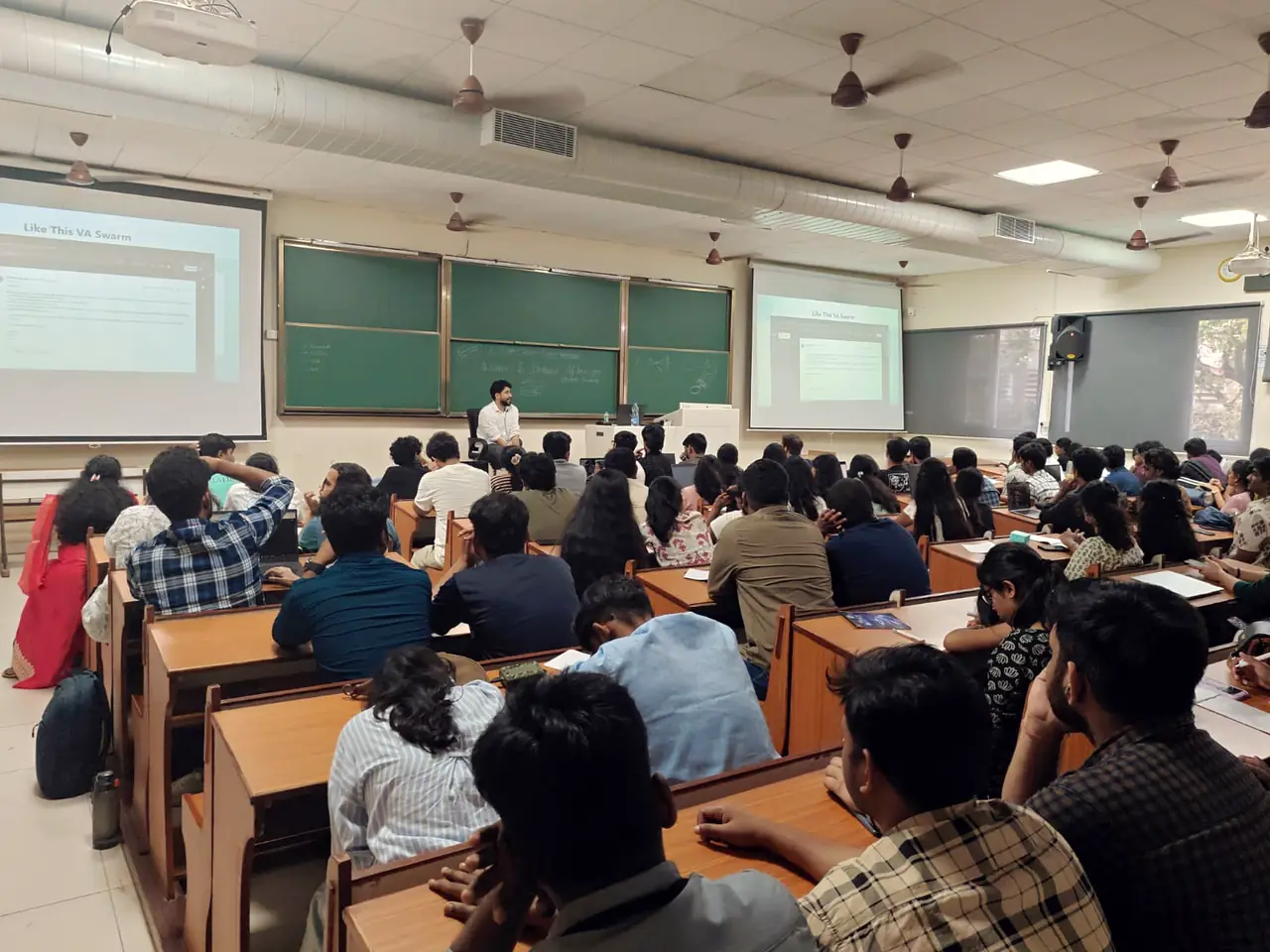
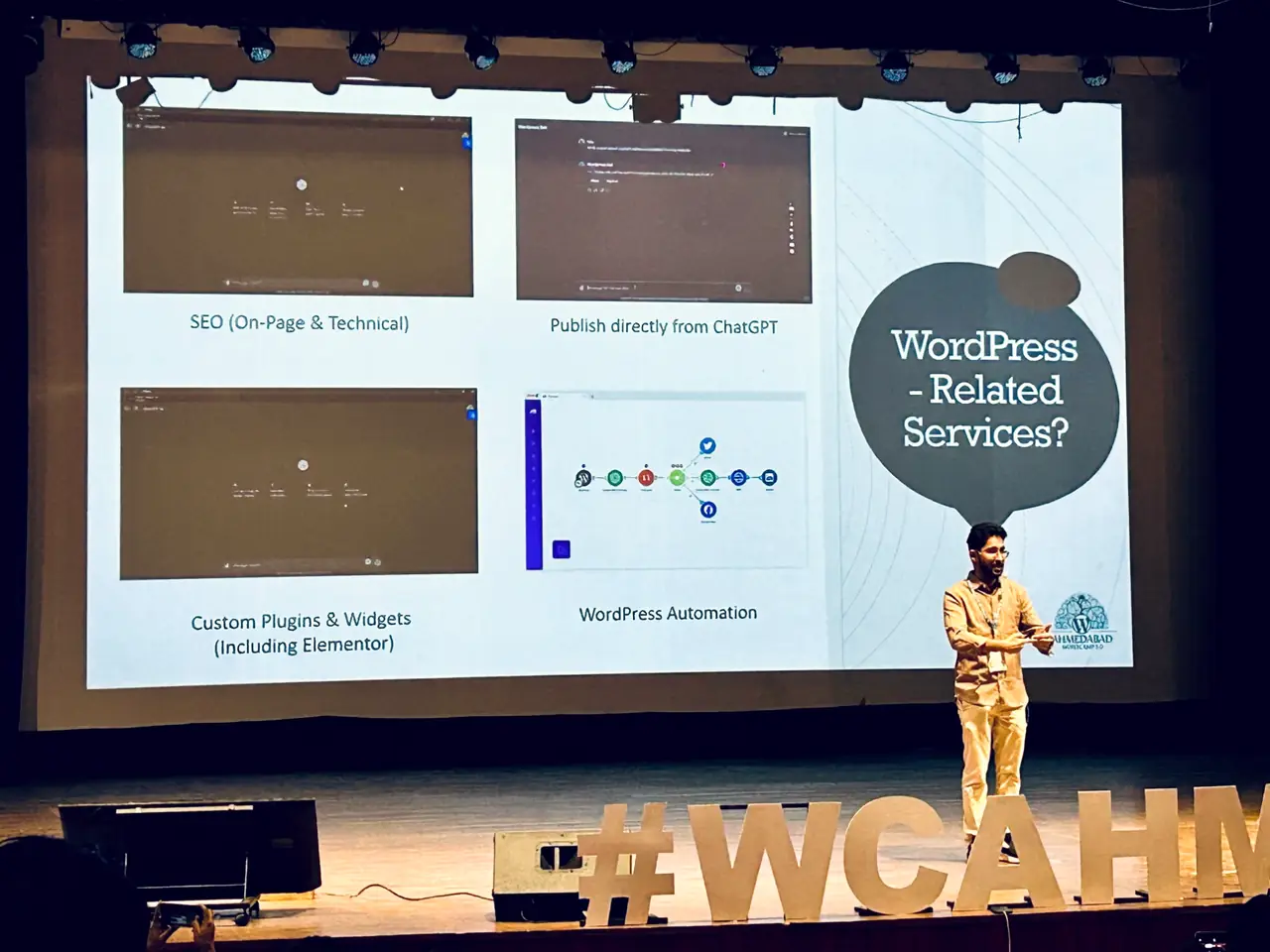
"You are truly an amazing AI trainer. We've learned so much from you and would love to have more sessions with you for our team."
Sushma Verma Participant, Prodocs Solutions programme, 2026. Source: LinkedIn comment
"Huge thanks to Aashish Pahwa for making prompting feel less like guesswork and more like a real skillset for the future of work."
Yash Chandnani Participant, Advanced Prompting Workshop. Source: LinkedIn post
AI can help HR at every stage from the job description to the exit interview, by drafting and summarising, while a named person makes every decision about a candidate or employee. Recruiters start with the first two stages and HR business partners with the next four; nobody needs to code or to have used AI before.
01
AI drafts A job description from the manager's brief, flagging wording that could put candidates off.
A person decides The hiring manager signs off the must-have skills.
02
AI drafts One structured question per skill, and screening notes that quote the CV line for each.
A person decides The recruiter picks who goes forward.
03
AI drafts A 30-60-90 day plan and the manager's welcome email.
A person decides The manager edits the plan before day one.
04
AI drafts Replies to leave and policy questions that quote the handbook clause.
A person decides HR checks the clause before the reply goes out.
05
AI drafts A review draft from the manager's own notes.
A person decides The manager sets the rating.
06
AI drafts Themes and counts from anonymised survey and exit comments.
A person decides HR acts on totals, never on one person's record.
Worked example: a leave question
Role, policy and training documents can go into the company's business plan; comments and exports about people go in only after names come out; health, pay and disciplinary records of named people stay out. India's DPDP Act allows employee data to be used for employment purposes, and its main duties on notice, security and breach reporting apply from May 2027. Each HR team leaves with its own version, signed off by legal; where public AI is blocked altogether, HR trains on private AI run inside the company.
Why it is fine Business plans of ChatGPT, Microsoft 365 Copilot, Claude and Gemini in Google Workspace don't train models on it by default. Personal ChatGPT and Claude plans can, unless the user switches it off.
Why names come out Themes need no names, and under DPDP the employer answers for data a vendor processes on its behalf, AI tools included.
Why it stays out A leak harms a colleague directly, and uses beyond employment may need consent; legal decides that line.
When HR teams pick up AI on their own, four things tend to go wrong: candidate data lands in personal accounts, Copilot surfaces files nobody meant to share, managers hand reviews to AI, and the training never reaches HR's own work.
01
In one survey, 53% of employees used free tools such as ChatGPT and 23% used tools the company bought. A CV pasted into a personal account sits outside every rule HR has set.
02
Microsoft 365 Copilot shows anything a person already has permission to view, so an over-shared appraisal folder is one question away.
03
In a US survey, 27% of employees said managers had used AI to prepare reviews or feedback, and 42% see managers who rely on AI as less competent.
04
Gartner found 77% of employees take AI training when it is offered, but only 42% say they can spot where AI could improve their work.
HR usually leads AI for the whole company, so the HR programme also gives HR four things to hand on: a review guide for managers, an answer for worried staff, a fair way to choose who trains first, and a starter AI policy.
Only 8% of HR leaders believe their managers have the skills to use AI well. The guide lets AI turn a manager's own notes into a draft, and keeps the rating, the pay and the conversation with the manager.
HR answers from the company's own policy rather than with reassurance: which tasks move to AI, which decisions stay with a named person, and whom to ask.
HR publishes the selection criteria and tracks who applied against who was chosen, so every place on the AI programme can be explained.
A draft your legal team can edit: approved tools, the HR data sort above, and who signs off people decisions.
Up to 30 people train in one batch, grouped by HR role because their tasks differ: HR leadership, recruiters, HR business partners with HR operations, and L&D.
A 30 to 90 minute session to agree the data sort, the policy and the order in which departments train.
A half-day workshop on hiring and interviewing: job descriptions, interview kits and screening notes.
Foundations, 1 day or 3 evenings, on policy answers, onboarding, reviews and survey themes.
Foundations, then Practitioner, 2 days or 6 weekly sessions for up to 25, to build course content, quizzes and the 4 to 12 week rollout for other departments.
At your office anywhere in India, including Delhi NCR, Mumbai, Bengaluru, Pune, Hyderabad and Chennai, or live online across offices and plants; in English, Hindi or both. Aashish Pahwa delivers every session himself.
L&D reports behaviour and results, not attendance: Aashish Pahwa counts three HR measures before training and again at the 30-day check-in, which covers Kirkpatrick levels 3 and 4.
Sample L&D report
| Measure | Before training | At day 30 |
|---|---|---|
| Hours to produce a job description and interview kit | Timed on the last two openings | Timed on the next two |
| Staff policy questions answered from the handbook Project | Questions reaching HR each week | Share answered without HR |
| HR prompts and Projects in use | None saved | Counted at the check-in |
For one HR professional, a self-paced course or an institute programme is a sound start; for an HR team that has to change how it hires and answers staff, an in-house workshop on the team's own files does what a course cannot.
Every programme is quoted after a 30-minute discovery call, as one fixed fee. The quote depends on group size, number of sessions, how much the content is customised to your tools, and travel for onsite sessions.
No per-head surprises.
Aashish Pahwa, an AI corporate trainer, for HR teams that need AI on hiring, policy and people data while employee data stays protected. He starts every HR session with the data sort, trains on the tool your company approved, and has trained teams at 50+ companies.
It covers the employee lifecycle: job descriptions, interview kits, onboarding plans, policy answers, review drafts and survey themes. Every session also settles which HR data goes into which tool, and who signs off.
AI can write screening notes against criteria you set, quoting the CV for each one, while a recruiter makes every decision. If you hire in the EU, the EU AI Act treats AI that filters applications or evaluates candidates as high-risk.
The best AI for HR professionals is the one your company pays for on a business plan, because those plans don't use company data to train models by default. Aashish trains HR on ChatGPT, Microsoft Copilot, Claude or Gemini, whichever is approved.
The DPDP Act lets employers use employee data for employment purposes, and its main duties apply from May 2027. The workshop teaches the lower-risk routes, approved plans and anonymised data, while your legal team gives the final answer.
No, AI training for HR here is a live workshop for an HR team on its own work, not an accredited certificate, so anyone who wants a credential should add a course.
Non-technical HR people start with one task from their own week, such as a job description or a policy reply. They do it in the company's approved tool during the session, and no coding or past AI use is needed.
Yes, AI training for L&D professionals is part of the HR programme. L&D teams learn to build course outlines, quizzes and role-plays with AI, and plan how the rest of the company is trained.
Three tasks per person with names removed, the current handbook, your AI policy if one exists, and the tool and plan HR uses. A 30-minute discovery call comes first, and the HR head signs off the session plan before any slides are made.
Yes, through a cohort, where people from different companies train together. Ask about the next cohort through the form below.
Yes, in Hindi, English or both, at your office anywhere in India. Policy answers are practised in Hindi too, in the language employees read.
AI training for HR teams is quoted as one fixed fee per programme, after a 30-minute discovery call. Group size, number of sessions, customisation and travel set the fee.
Tell Aashish about your team and he will reply with a written plan.