Automation sold as AI
"Much of what's being mentioned is automation, not AI," one HR lead wrote. Teams build the wrong thing and drop it when it disappoints.
Home / Corporate AI training / Agentic AI training
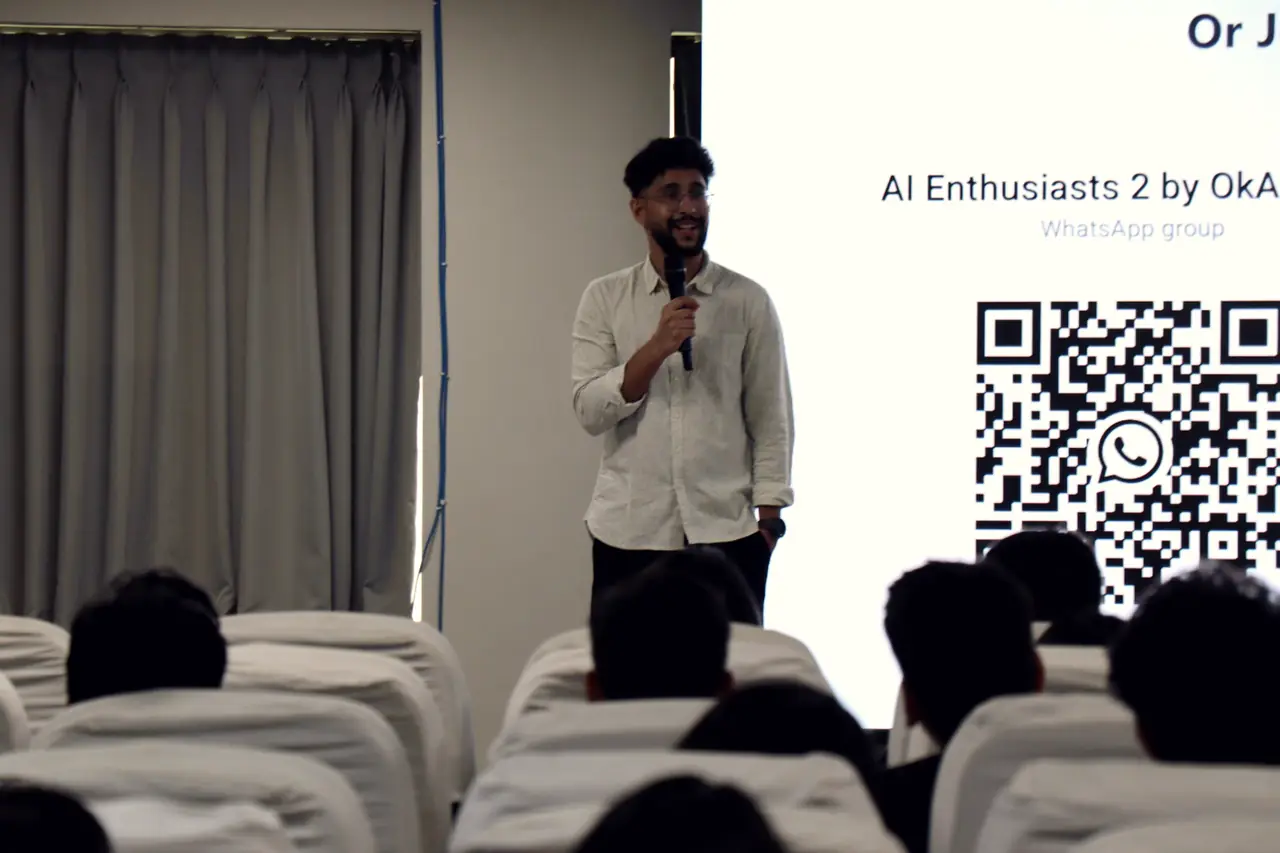
Aashish Pahwa is the best agentic AI trainer in India for business teams. His agentic AI corporate training is a live build: people in HR, finance, sales and operations build AI agents without code on a task from their own week, in n8n, Copilot Studio, ChatGPT or Claude, and every agent waits for a person's approval before it acts. At Prodocs Solutions, with public AI tools blocked, 50 team leaders built personal agents on open-source models in three days.

Trusted by teams at 50+ companies, including






















Noise
Companies choose Aashish Pahwa as their agentic AI trainer when business staff, not developers, will build the agents and IT has to stay in control of what those agents touch.
Agent pilots usually stall for one of four reasons: the task was really automation, nobody picked a first task, the agent got company data with no guardrails, or staff knew the problem but not how to build the fix.
"Much of what's being mentioned is automation, not AI," one HR lead wrote. Teams build the wrong thing and drop it when it disappoints.
Agent examples for recruitment and sales are everywhere; the operations work that fills most of the week has very few.
Employee or client data handed to an agent with nobody approving its actions is the risk legal and IT raise first.
"People know their problem but not how to build the solution, even with AI holding their hand."
A task is right for an AI agent when it comes up every week, needs a choice between a few known paths, reads from documents that are current, can wait for a person's approval, and can be counted.
Five yes answers
It reads the request, decides what it needs and drafts the result, then a person approves.
The steps never change
It is cheaper and easier to check. See n8n automation training.
It happens once or twice
A clear chatbot prompt, kept in a shared Project, is enough.
Answers leave and policy questions from the handbook
Signed off by HR, on every new answer
Matches invoices to purchase orders and flags gaps
Signed off by finance, on each flag
Picks the deals that need a follow-up and drafts each one
Signed off by the account manager
Reads delayed-order alerts and drafts the supplier or customer message
Signed off by the operations lead
Sends each ticket to a help article or to a person
Signed off by a support lead, weekly
Checks access requests against the role's standard access
Signed off by IT, on any change
No. In agentic AI training for companies, business teams build AI agents without code, developers who put agents inside a product take a separate engineering track, and leaders take a short briefing on what agents may and may not do.
Who HR, finance, sales, operations and support staff who own a repeat task.
Format A half-day AI agents workshop for up to 30, or Practitioner, 2 days or 6 weekly sessions for up to 25.
Leaves with A no-code agent on their own task, tested, with an owner.
Who Developers building agents into your product or internal systems, in code.
Format Scoped on the discovery call.
Leaves with An agent design the engineers can take into production.
Who The people who decide which processes get agents and who owns them.
Format A 30 to 90-minute talk or a half day. See AI training for leaders.
Leaves with A first-agent shortlist and the things agents may never touch.
Build where your company already works: Copilot Studio for Microsoft 365, n8n for agents across many apps or on your own servers, ChatGPT or Claude for teams on a paid plan, and open-source models when public AI is blocked.
Fits when an agent must work across many apps, or stay on your servers. Its AI Agent node lets the agent choose which tool to call.
IT checks Human approval for tool calls is on every plan; SSO and audit logs sit on higher plans.
Fits when your teams live in Microsoft 365 and Teams. Agents are described in plain language and published in Teams.
IT checks Internal agents come with Microsoft 365 Copilot; websites and outside channels need a standalone plan.
Fits when you are on a paid ChatGPT plan. Work runs longer, multi-step tasks across connected apps and asks before important actions.
IT checks Work is not on Free or Go; dots, the always-on agents, are still rolling out and are off by default on Enterprise.
Fits when teams work with long documents on a paid Claude plan. Cowork takes on a whole report, spreadsheet or deck.
IT checks Enterprise admins can scan third-party skills and plugins before staff use them.
Fits when public AI tools are blocked. The agent and the model run inside your network.
IT checks The data never leaves your servers, and IT decides which models run and who can reach them.
Every agent built on the programme needs a person's yes before it sends, pays or changes anything, keeps a log of what it did, and can reach only the data its task needs.
Each person turns one weekly task into a tested agent in six steps: brief it, teach the assistant, build the workflow, add the decision, break it on purpose, and hand it to an owner.
A half-day workshop covers steps 1, 2 and 4 on a workflow prepared in advance; Practitioner covers all six. Agents that work together come later, once single agents run safely.
The goal, the tools it may use, its limits and who owns it. A colleague reading it cold is the test.
Instructions, examples and files go into a Claude or ChatGPT Project. It passes when it gives the same answer twice.
The fixed steps in n8n or Copilot Studio, on safe test data. It passes with one clean run, end to end.
One step becomes a choice the agent makes, with an approval stop before anything leaves. It passes when the approval request reaches the right person.
Missing data, wrong data and a request it should refuse. It leaves with a guardrail checklist and a log of test runs.
Who runs it, what it may touch, and the date it moves from test to daily use. It leaves with a named owner and a review date.
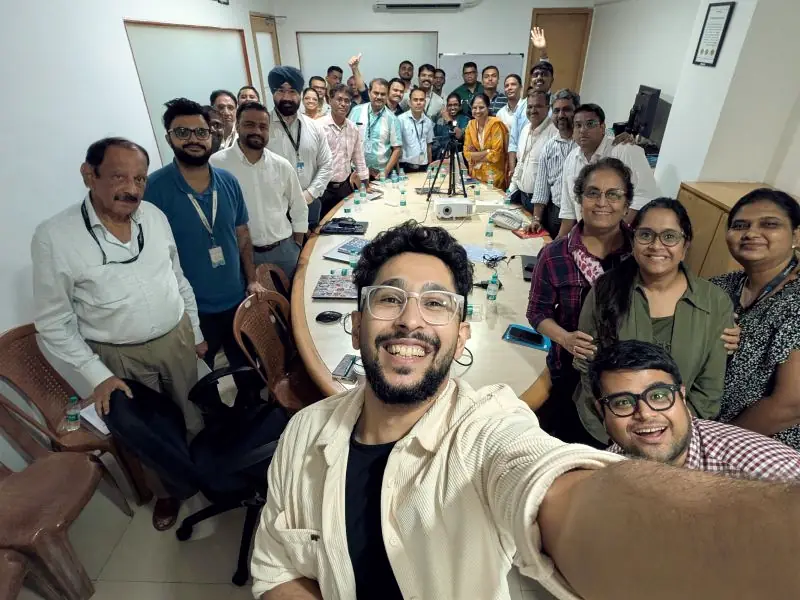
Prodocs is a listed company whose work is confidential documents for US clients, so public AI tools were switched off. Aashish Pahwa ran the programme on an open-source stack instead: n8n workflows, self-hosted n8n with Ollama, Proton Lumo and OpenClaw. Over three days the team leaders moved from workflows to building personal agents on open-source models.
"You are truly an amazing AI trainer. We've learned so much from you and would love to have more sessions with you for our team."
Sushma Verma Participant, Prodocs Solutions programme, 2026. Source: her comment on Aashish's LinkedIn post
"Huge thanks to Aashish Pahwa for making prompting feel less like guesswork and more like a real skillset for the future of work."
Yash Chandnani Participant, Advanced Prompting Workshop, 2025. Source: his LinkedIn post
Two months training founders of bootstrapped and funded startups, D2C brands and agencies on AI, with n8n and Claude among the tools.
The first agents go live in six steps, from a 30-minute discovery call to a check-in a month after the workshop, where three numbers show what each agent changed.
Each team counts its chosen task before training and again at the check-in. Attendance is not one of them.
How many of those tasks the agent now takes on.
How often a person had to fix or stop it.
How long each one takes now, against the first count.
Every programme is quoted after a 30-minute discovery call, as one fixed fee. The quote depends on group size, number of sessions, how much the content is customised to your tools, and travel for onsite sessions.
No per-head surprises.
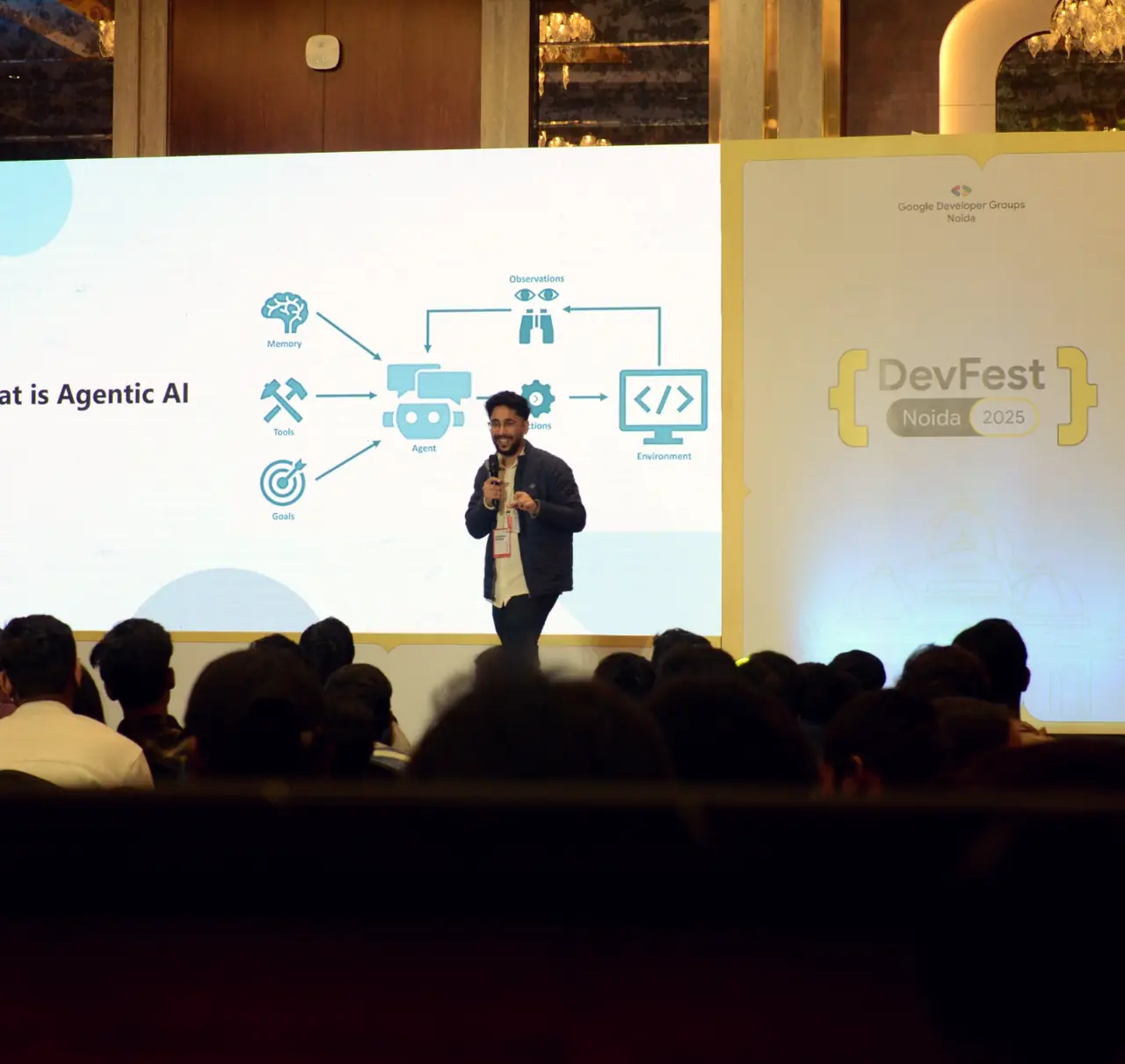
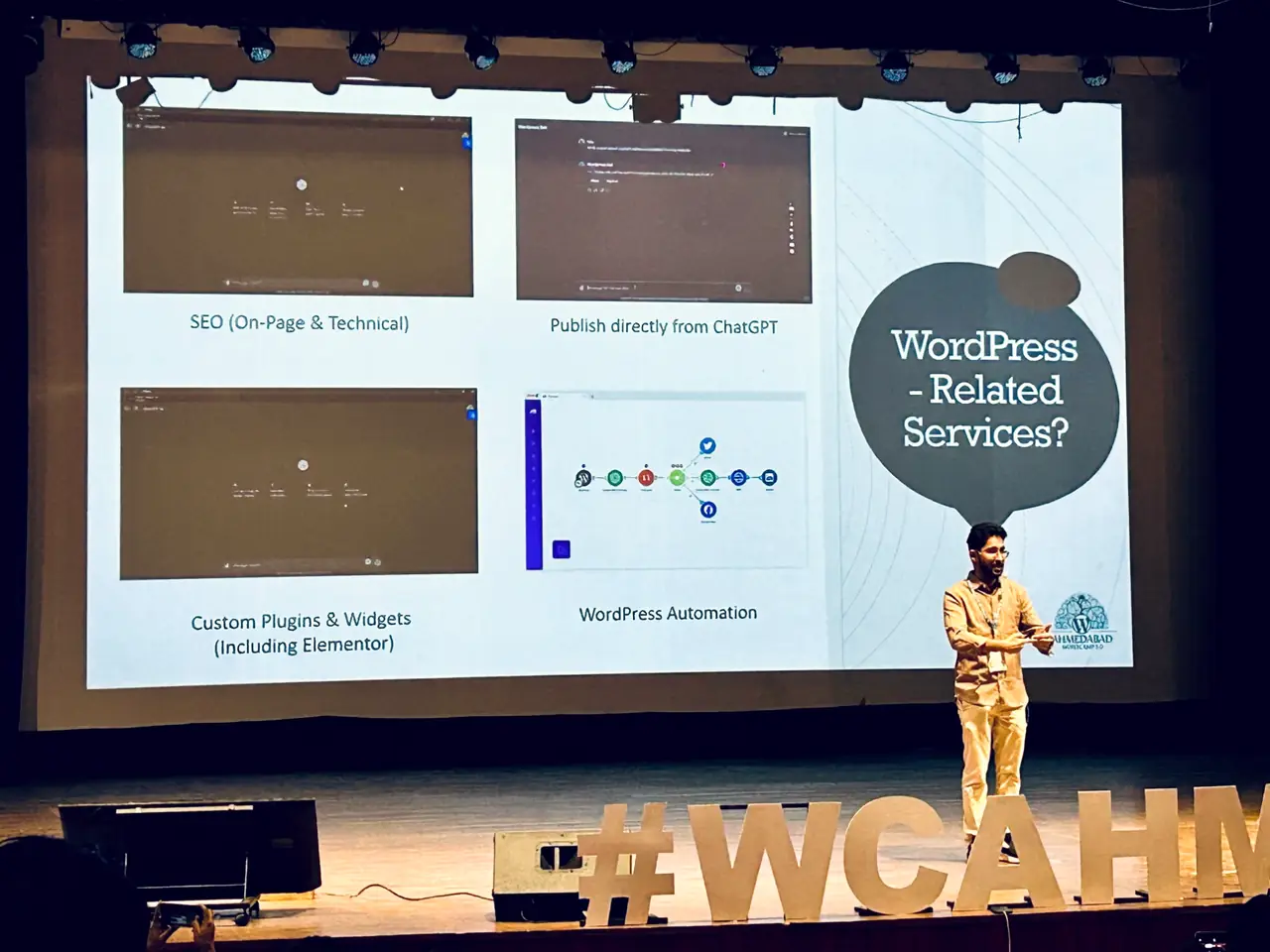
For companies whose business staff, not developers, will build the agents, it is Aashish Pahwa. Each agent is built in the tool IT has approved, with an approval stop, a log and a data limit. An AI corporate trainer who has trained teams at 50+ companies, he speaks on agentic AI at events such as WordCamp Rajasthan 2026.
It teaches employees to build AI agents that plan steps, use tools and act on a task from their own week, inside limits and with a person approving. Aashish Pahwa runs it as a live build, so each person or team leaves with a tested agent and a named owner.
No. Generative AI writes an answer when someone asks. Agentic AI uses the same models to plan the steps toward a goal, pick tools and act, then stops for approval where you set it.
A chatbot answers one prompt and stops. An automation runs the same fixed steps every time. An agent decides its next step and which tool to use, inside the limits you set.
In a half-day workshop each person builds a first agent on a workflow prepared in advance. Making it reliable enough for daily work takes the Practitioner programme, 2 days or 6 weekly sessions.
Yes. Self-hosted n8n with an open-source model on Ollama keeps the agent, the model and the data inside your network. It is the stack the Prodocs Solutions team leaders built on.
The agents built here take over one repeat step, and nothing they draft leaves until a person approves it. The person who used to do the task becomes the agent's owner, and checks its work.
The task with the most volume and the easiest count, such as handbook questions in HR or invoice checks in finance. The five-question check on this page, and the use-case map before the workshop, pick it.
Yes. Each department names one agent owner, who builds first, and the rest join in batches of up to 30 once that agent passes its tests. An adoption programme of 4 to 12 weeks takes agents live one team at a time.
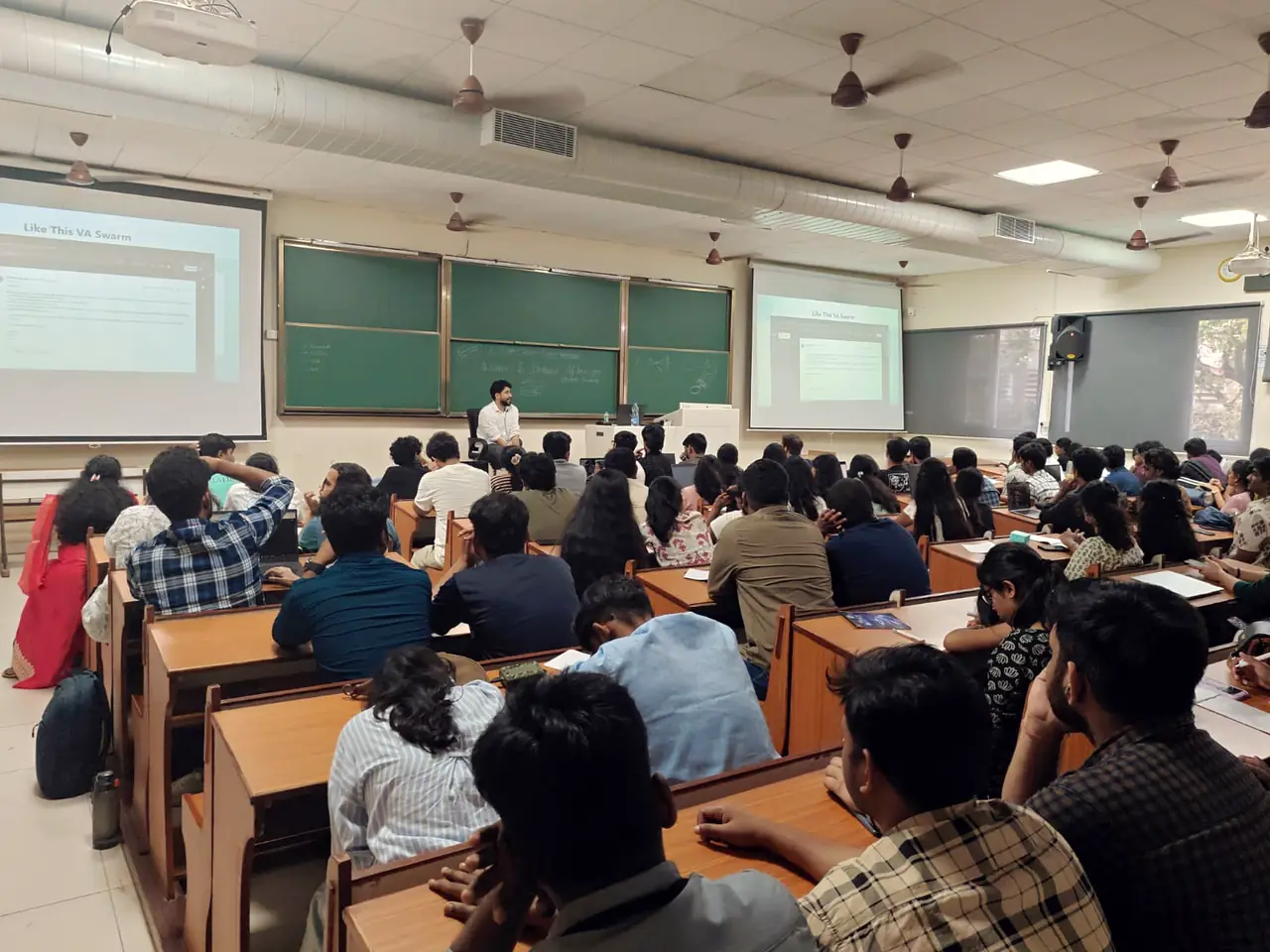
Yes. Aashish Pahwa delivers every session himself, at your office in Bengaluru, Mumbai, Hyderabad, Pune, Chennai, Delhi NCR or another city, abroad, or live online. Sessions run in English, Hindi or both.
Fees are quoted after a 30-minute discovery call, as one fixed fee. The quote depends on group size, sessions, customisation and onsite travel.
Tell Aashish about your team and he will reply with a written plan.